Shop / Group exercises / DELPHI
The Delphi Method is a renowned technique initially developed by Olaf Helmer and Norman Dalkey in the 1950s. Our unique spin on this classic method challenges participants’ decision-making processes and highlights the impact of team synergy.
+ Main topic: Team synergy
+ Related topics: cooperation and teamwork; decision-making
+ Training length: 30 – 50 minutes (including debrief)
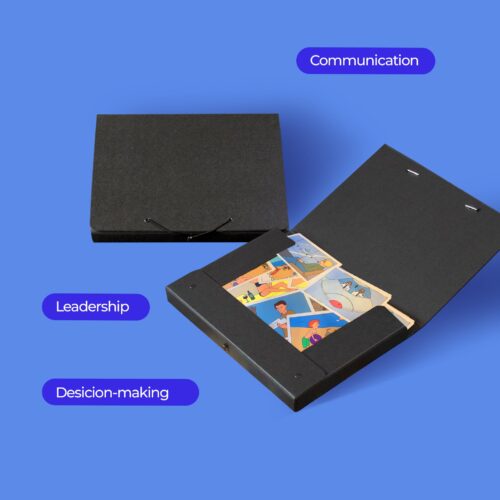
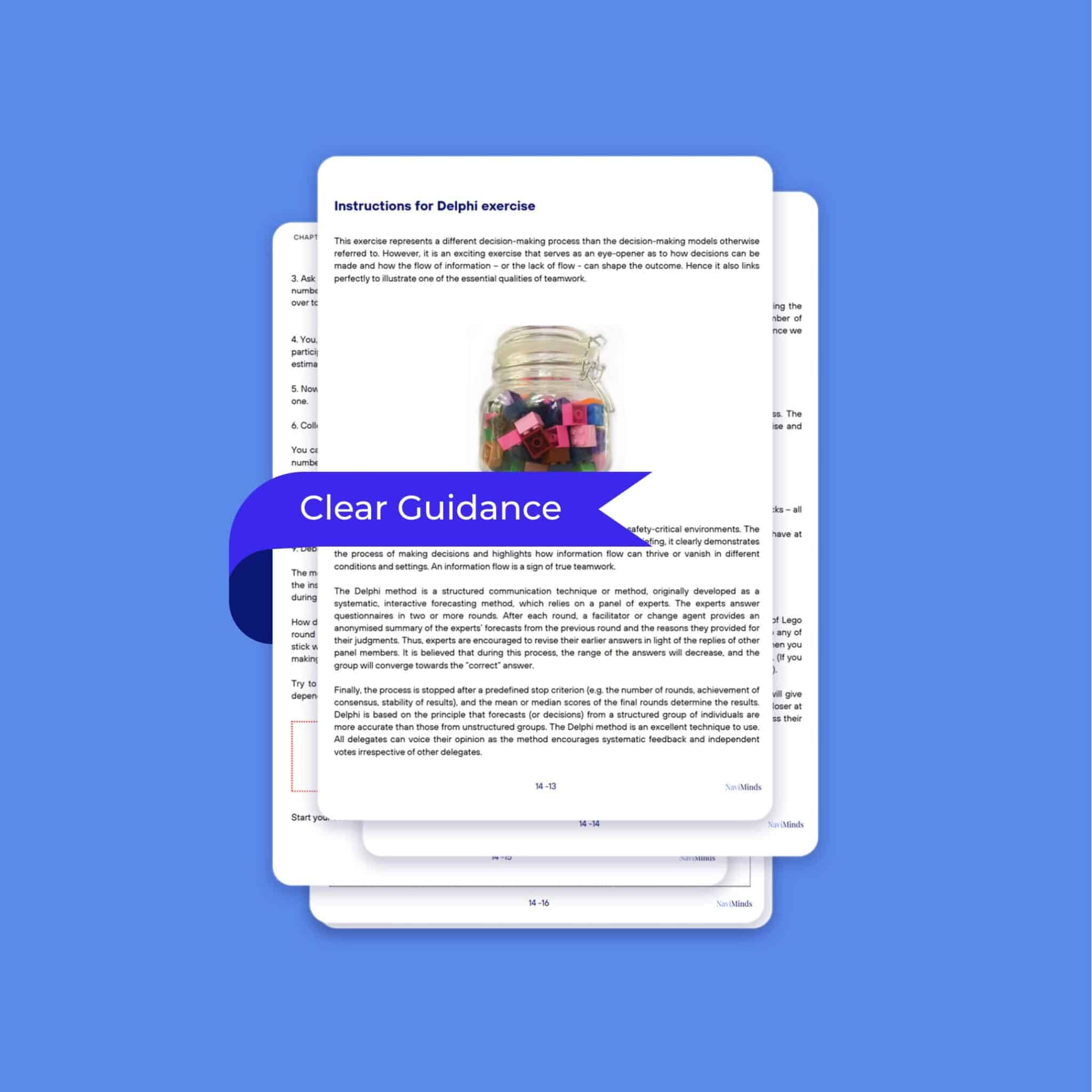
+ Included: exercise instructions, trainer information sheet, briefing and debriefings instructions
+ Number of participants: 3 – 20 participants
+ Access: Instant download after payment
Please note you can also access the exercise when buying our “Team Synergy” lesson plan.
The Delphi exercise helps participants understand the factors influencing their decisions and the importance of considering input from others
The exercise emphasizes how collective intelligence can enhance performance
Delphi demonstrates how information flow, or the lack thereof, shapes decision-making and team performance
Suitable for various training contexts, particularly in safety-critical industries
This version includes additional elements to explore participants’ willingness to integrate others’ input into their decisions
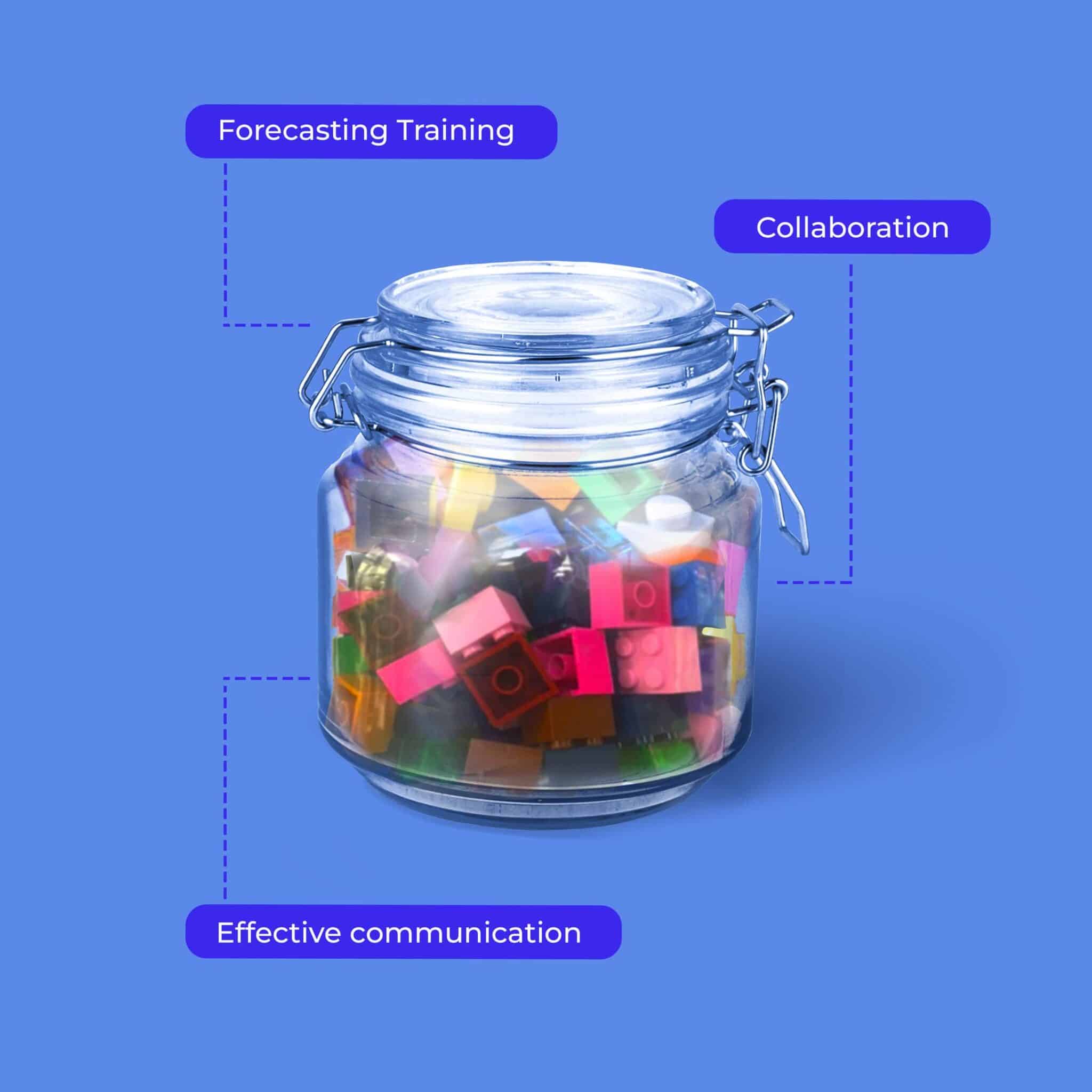
Each participant writes down their estimate of the number of LEGO bricks in a jar without sharing it with others
After each round, the median estimate is revealed, and participants can adjust their guesses based on this feedback
The process continues for a predefined number of rounds or until estimates stabilize, with the final median score determining the outcome
Thorough debriefing instructions are provided to help trainers highlight key learning points about decision-making and information flow
Each participant writes down their estimate of the number of LEGO bricks in a jar without sharing it with others
After each round, the median estimate is revealed, and participants can adjust their guesses based on this feedback
The process continues for a predefined number of rounds or until estimates stabilize, with the final median score determining the outcome
Thorough debriefing instructions are provided to help trainers highlight key learning points about decision-making and information flow
Each participant writes down their estimate of the number of LEGO bricks in a jar without sharing it with others
After each round, the median estimate is revealed, and participants can adjust their guesses based on this feedback
The process continues for a predefined number of rounds or until estimates stabilize, with the final median score determining the outcome
Thorough debriefing instructions are provided to help trainers highlight key learning points about decision-making and information flow
Experience the benefits of enhanced decision-making and team synergy with the Delphi Method Decision-Making Exercise. Equip your team with the skills they need to make better decisions collectively.
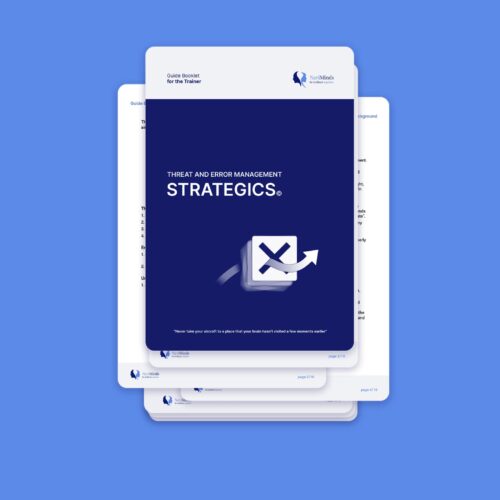
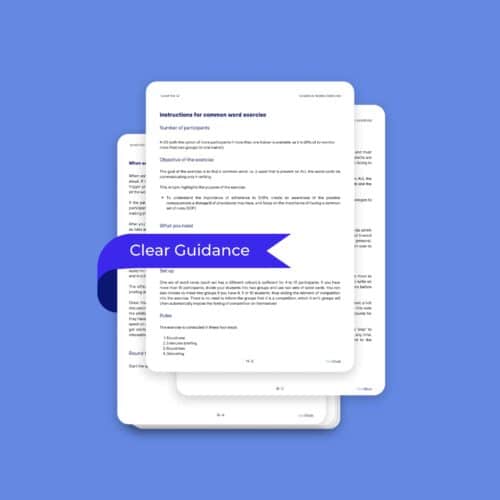
For detailed instructions and tips, refer to the comprehensive trainer booklet included with your purchase.
For further assistance, please contact us at ask@naviminds.com.

© 2024 NaviMinds – Designed by Aveo web&marketing