
Shop / Plug’n’play lessons / Operator’s safety culture and company culture
Enhance your training programs with our detailed lesson plan on Operator Safety Culture and Company Culture. This lesson examines the factors that help build or deter a strong safety culture. It explores elements like authority gradient and power distance and their effects on team dynamics and safety.
+ Main topic: Operator’s safety culture and company culture, and cultural differences
+ Related topics: Organisational factors and standard operating procedures (SOPs); individual and team responsibilities; communication; attitudes and behaviours; authority gradients
+ Training length: 60 – 70 minutes
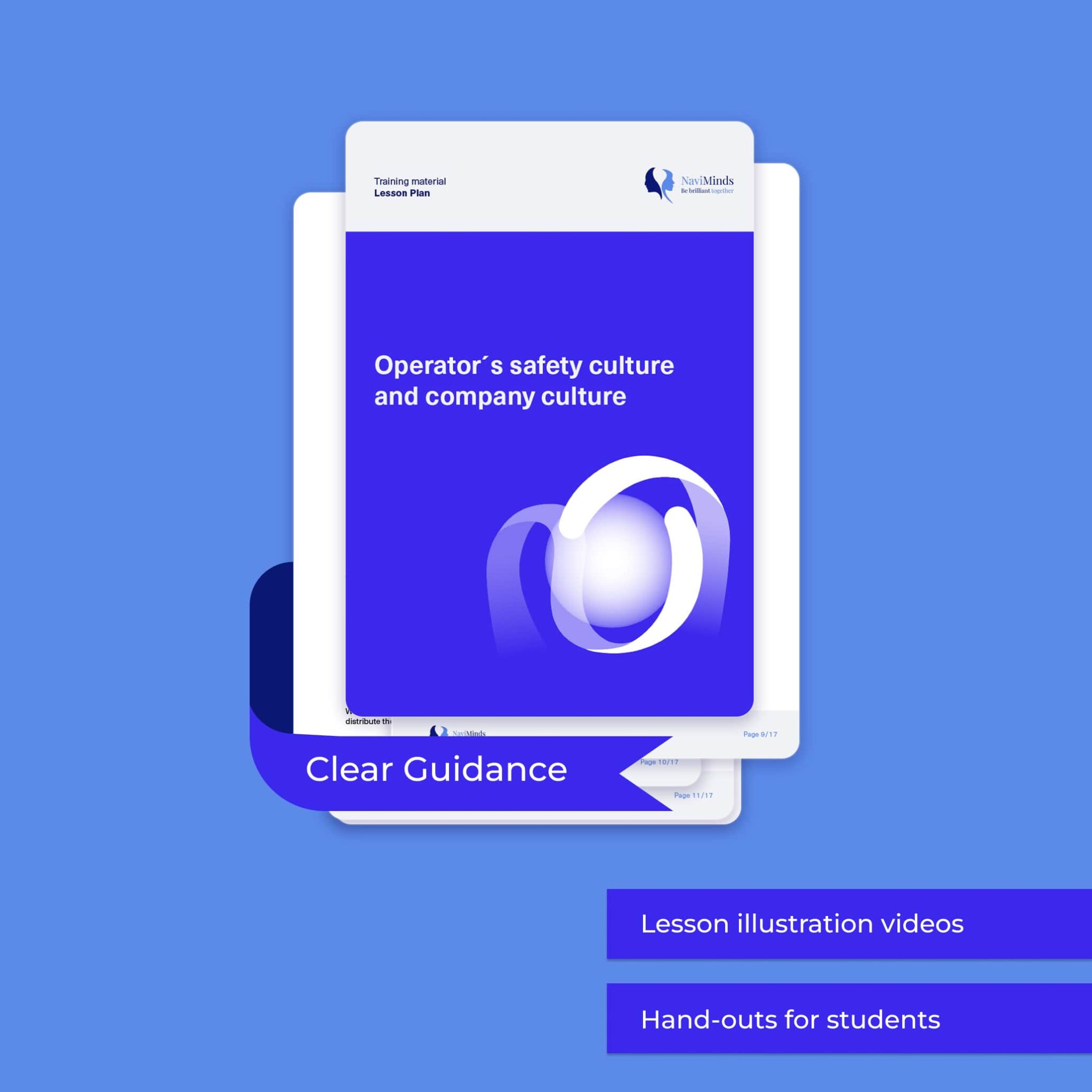
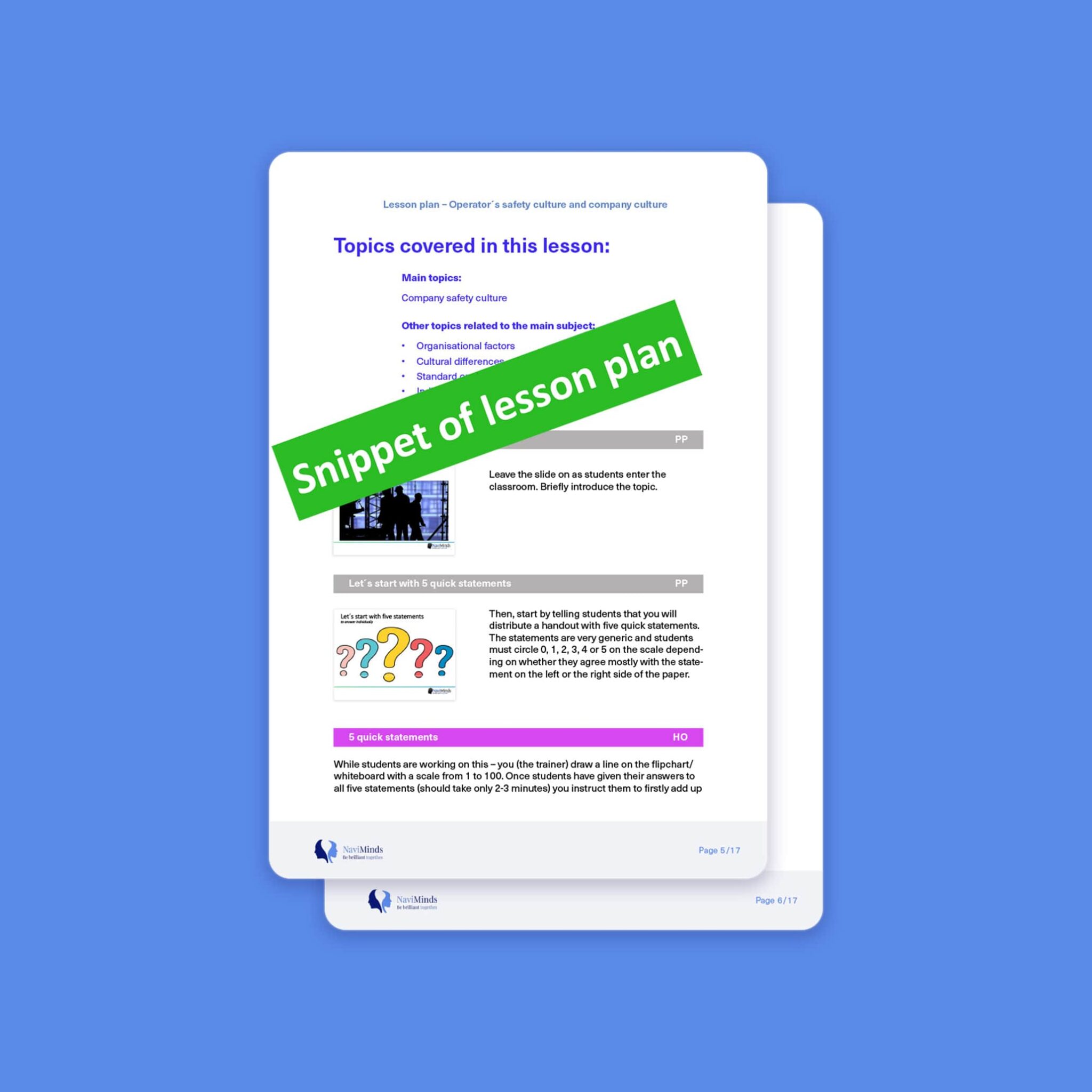
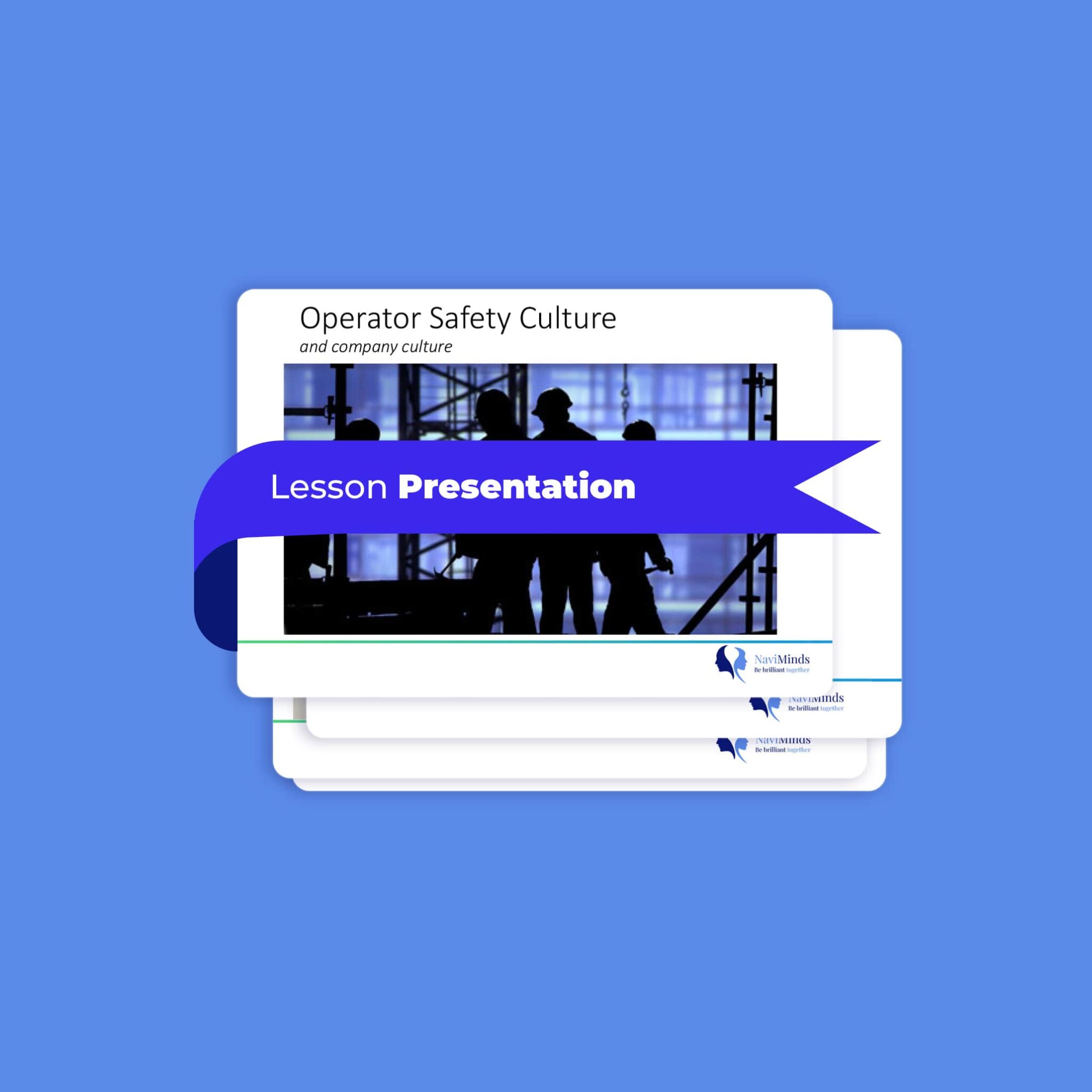
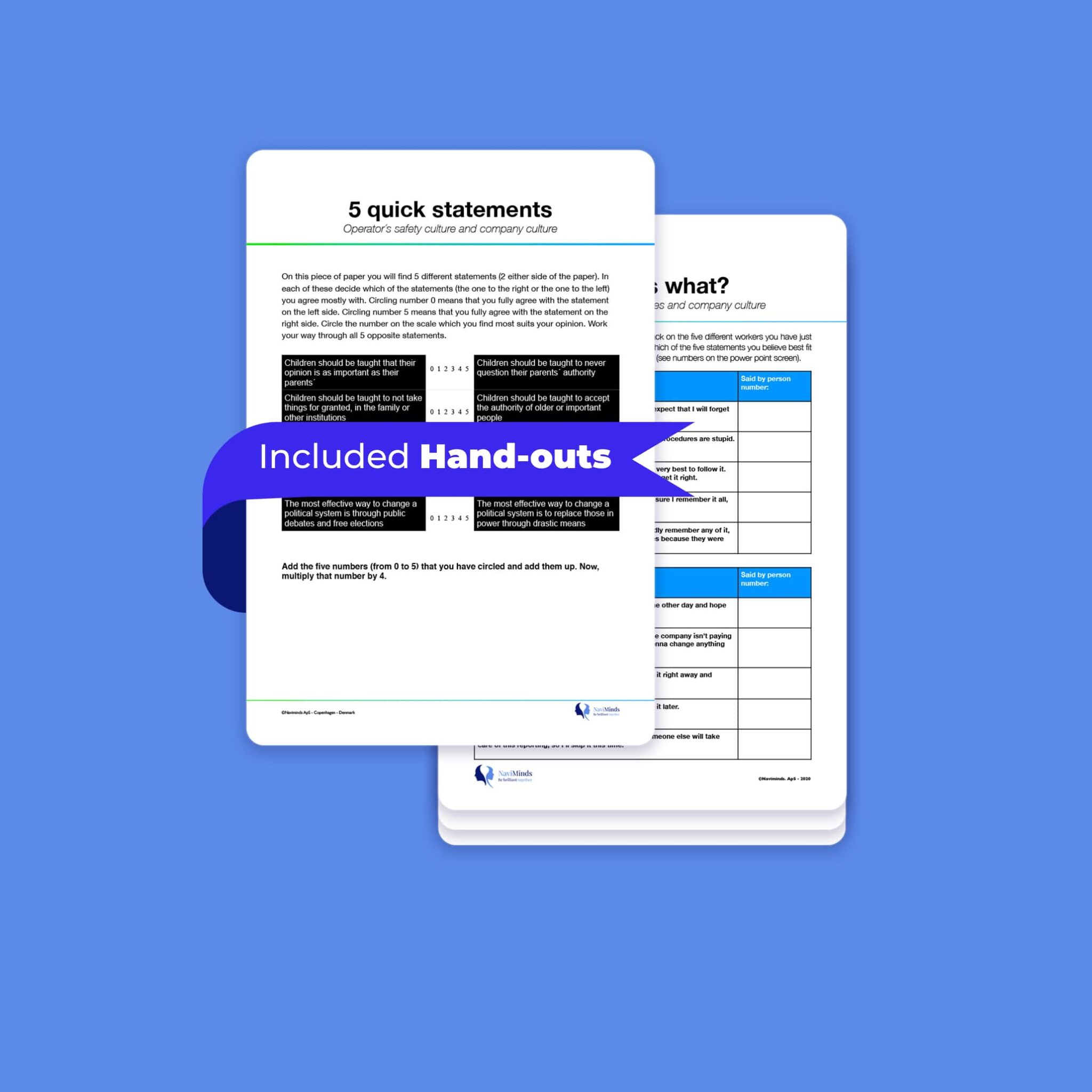
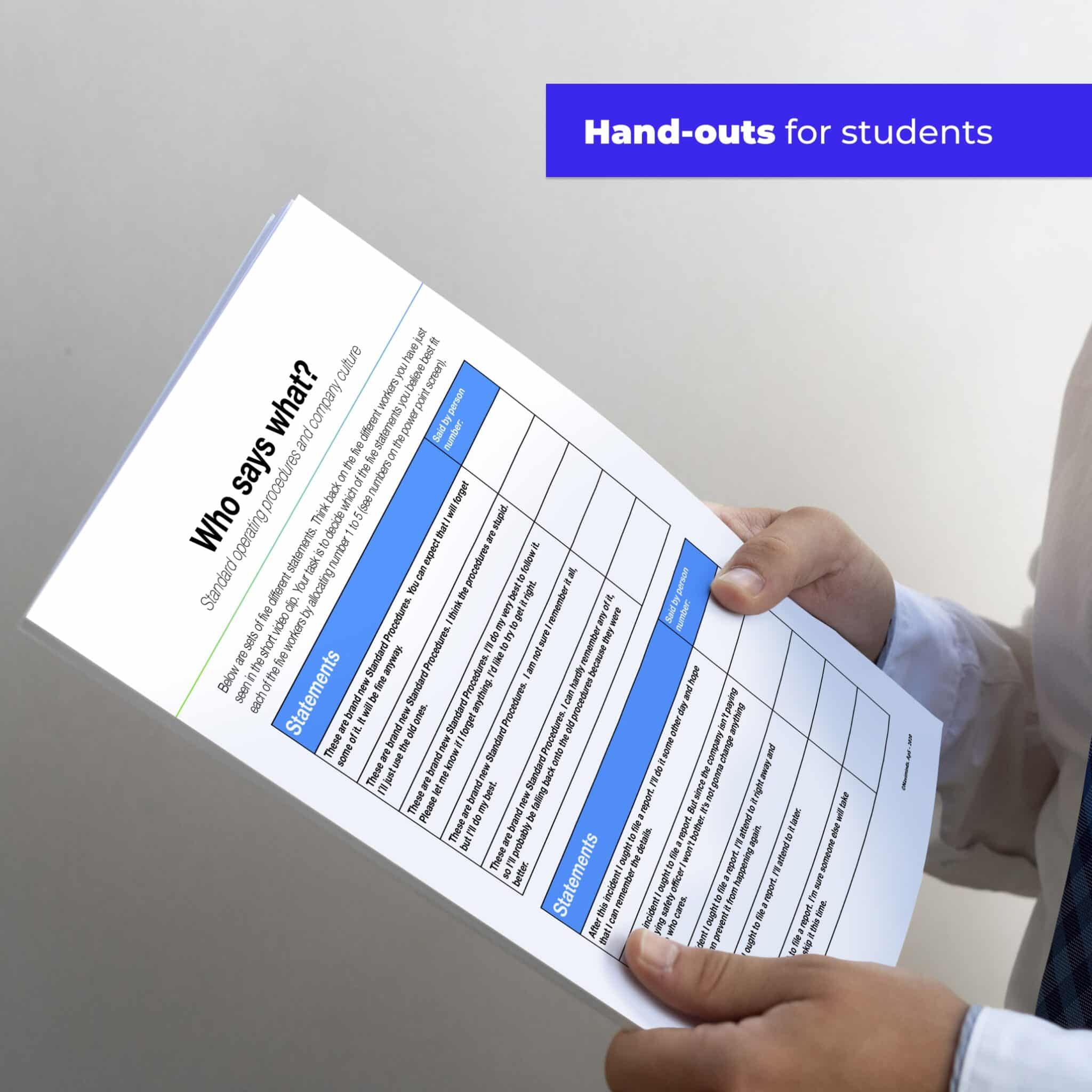
+ Included: 2x student handouts, lesson plan with instructor notes, PowerPoint slides
+ Access: Instant download after payment
+ File formats: Pdf and PowerPoint
This lesson plan includes extensive training material focused on the essential aspects of safety and company culture.
Easily implement the provided lesson plans with fully guided trainer notes, ensuring a seamless training experience.
While tailored for Crew Resource Management (CRM) training, this lesson plan is equally suitable for a wide range of safety-critical industries where understanding and improving safety culture is crucial
Incorporate real-life case studies and practical exercises to promote active participation and engagement.
Understanding Safety Culture: Gain a deeper understanding of safety culture and the factors that build or deter a strong safety culture
Cultural Differences: Explore the link between company culture, cultural differences, and operational safety.
Authority Gradient and Power Distance: Learn what authority gradient and power distance mean and their impact on safety.
Research Insights: Delve into research that suggests a strong relationship between national culture, power distance, and aviation safety.
Analyzing Cultural Impacts: Understand the influence of national and organizational culture on safety practices and behaviours.
Scenario-Based Learning: Assess a real-life scenario illustrating the impact of poor safety culture and discuss ways to improve it.
Ready-to-distribute materials for students to enhance their learning.
Comprehensive slides to guide the training sessions.
Practical activities to apply theoretical knowledge in real-world contexts
The lesson plan includes a real-life scenario where a poor safety culture was present and the consequences thereof, helping students understand the real-world implications.
Exercises that explore different authority gradients and their impact on decision-making and safety.
Detailed exploration of Hofstede’s Power Distance Index (PDI) and its relevance to safety culture in aviation.
Our lesson plan on Operator’s Safety Culture and Company Culture is designed to elevate your training standards, providing a fresh and innovative approach to known CRM topics. Whether you are part of a large corporation or a small team, this lesson plan will equip you with the tools and knowledge to deliver impactful and practical training sessions.
Please be aware that the lesson plan included in this purchase is also available within our Crew Resource Management Trainer Manual Edition 2.
In-House Use Only: This publication is licensed strictly for in-house training and is not to be used for commercial purposes.
Video Clip Guidance: While NaviMinds cannot provide the video clips referenced in the lesson plan, clear instructions on how to locate them are included. Our support team is always available to assist with any issues.

© 2024 NaviMinds – Designed by Aveo web&marketing