Shop / Plug’n’play lessons / Automation, monitoring and intervention
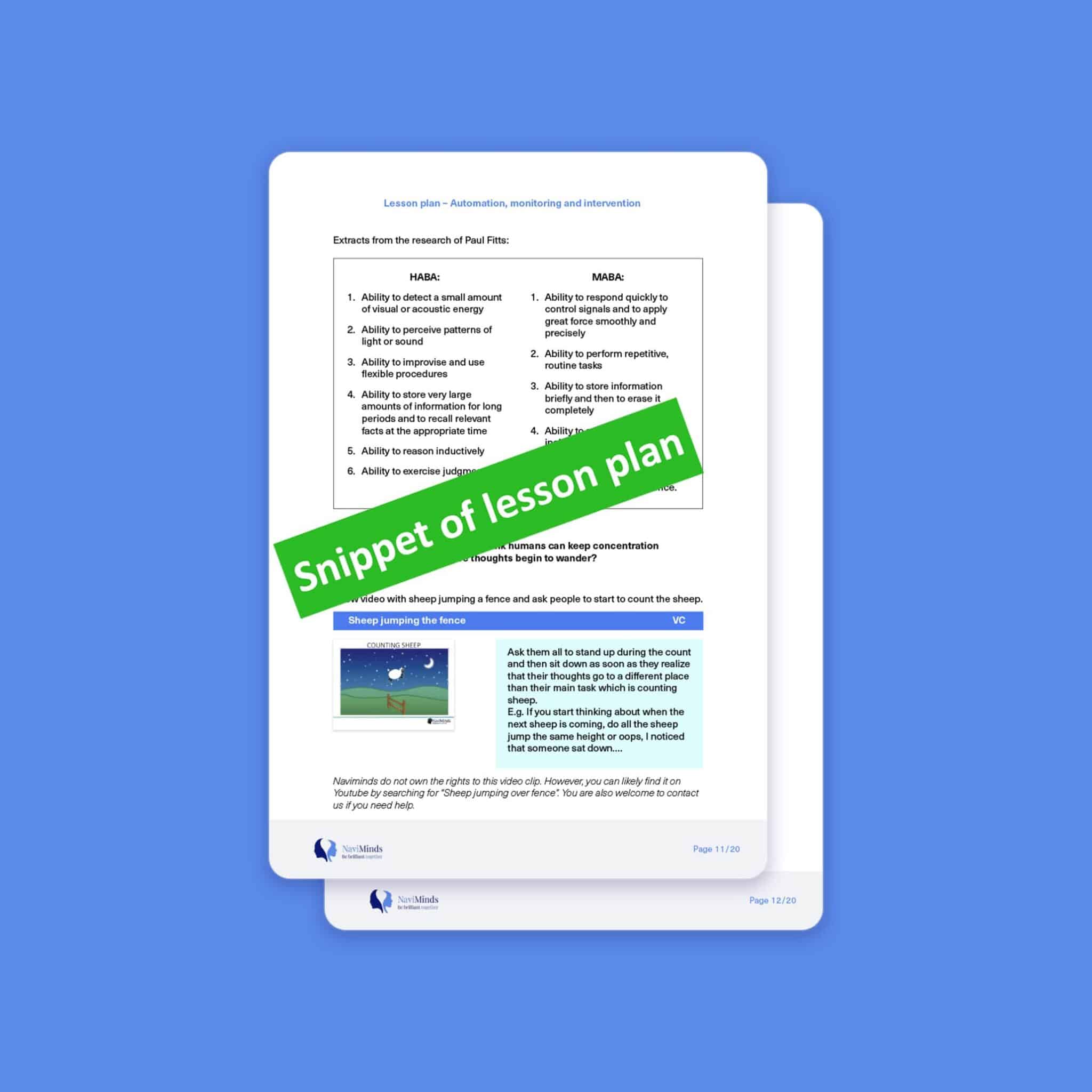
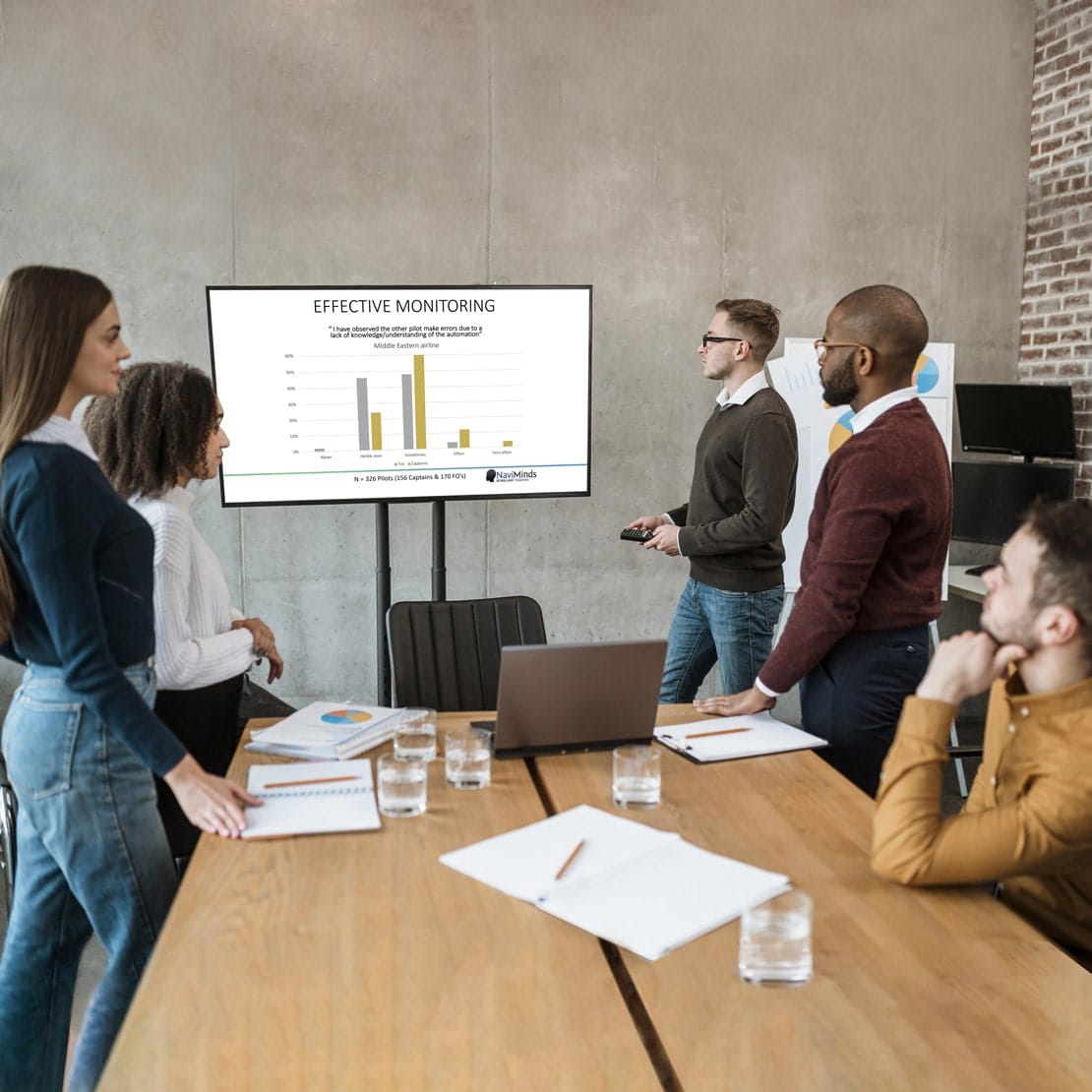
Enhance your training programs with our detailed lesson plan on Automation, Monitoring, and Intervention. In this lesson, we assess the role of pilot flying and pilot monitoring. We look at the four levels of automation and statistics related to different monitoring aspects.
+ Main topic: Automation, monitoring and intervention
+ Related topics: Human performance and limitations; co-operation; effective communication; and coordination between all crew members
+ Training length: 40 – 45 minutes
+ Included: Intervention case study (for flight deck crew), automation questionnaire, lesson plan with instructor notes, PowerPoint slides, extra notes for the trainer
+ Access: Instant download after payment
+ File formats: Pdf and PowerPoint
This lesson plan includes extensive training material focused on the essential aspects of automation, monitoring, and intervention
Easily implement the provided lesson plans with fully guided trainer notes, ensuring a seamless training experience
Leverage insights and quotes from renowned experts like Dr. Ute Fischer to deepen understanding of intervention levels and communication strategies
Use questionnaires, intervention scenarios, and group activities to promote active participation and engagement
Automation: Explore the definition and implications of automation in the flight deck.
Monitoring: Investigate the role of monitoring in maintaining operational safety and performance. In this lesson, we also explore factors that might hinder our ability to monitor effectively, such as human attention span and experience.
Intervention: Work with different intervention scenarios where you and your participants can practice effective interventions, address issues in a timely manner, and receive interventions constructively.
Ready-to-distribute materials for students to enhance their learning.
Comprehensive slides to guide the training sessions.
Practical activities to apply theoretical knowledge in real-world contexts.
Recommendations for relevant video clips on platforms like YouTube.
Ready-to-distribute materials for students to enhance their learning.
Comprehensive slides to guide the training sessions.
Practical activities to apply theoretical knowledge in real-world contexts.
Recommendations for relevant video clips on platforms like YouTube.
Our lesson plan on Automation, Monitoring, and Intervention is designed to raise your CRM training standards and provide a fresh and innovative approach.
In-House Use Only: This publication is licensed strictly for in-house training and is not to be used for commercial purposes.
Video Clip Guidance: While NaviMinds cannot provide the video clips referenced in the lesson plan, clear instructions on how to locate them are included. Our support team is always available to assist with any issues.

© 2024 NaviMinds – Designed by Aveo web&marketing